

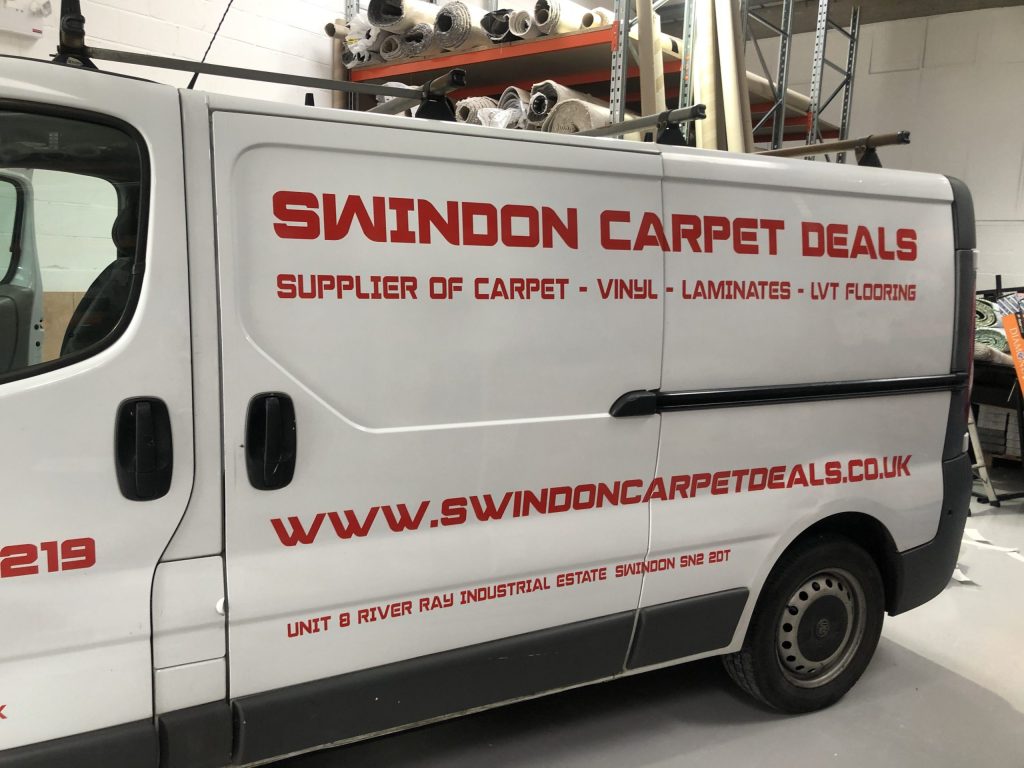

You can drive past hundreds of potential customers in a week and not get a single call, simply because nobody can tell who you are or what you do. That’s a missed opportunity, especially when your van already travels the exact streets your next jobs come from. In this guide, we break down how a sign writing van setup works in the real world, what it costs in the UK, and how to choose a layout that people can read in three seconds. We’ll also share the practical steps we use to help businesses avoid expensive design mistakes and get more enquiries from every journey.
Key Takeaways
- Sign writing van graphics act as effective mobile advertising by increasing local visibility and generating leads without ongoing costs.
- Choosing the right van sign writing option—vinyl lettering, decals, partial or full wraps—depends on budget, van usage, and desired visual impact.
- A clear, simple design with large, readable contact details and a single service line ensures passersby understand your business in three seconds.
- Placing the phone number prominently on rear doors leverages traffic visibility, while maintaining consistent branding boosts credibility and trust.
- Professional installation and proper vehicle preparation are crucial for durability and a polished finish, avoiding costly mistakes or vinyl failure.
- Regular care using gentle washing methods preserves vinyl condition, and modular or partial wraps help with updates, leased vans, or resale considerations.
What Van Sign Writing Is (And Why It Works As Mobile Advertising)
If your van is plain, you’re paying for fuel, insurance, and time on the road… and getting zero brand return. Van sign writing is the use of vinyl lettering, printed graphics, or a wrap applied to your vehicle so it clearly shows your business name, service, and contact details wherever you travel.
It works as mobile advertising for one simple reason: repeated local exposure. A single van might sit outside 3–6 jobs a day (think: driveways, industrial estates, high streets), then queue in traffic, then park at the merchants. Each stop creates impressions with the exact people most likely to buy, your local area.
Unlike digital ads, you don’t pay per click. Once the graphics are fitted, your sign writing van can generate enquiries for years, as long as the message stays readable and the vinyl stays in good condition. That “always-on” effect is why trades, delivery firms, care services, and local retailers still rely on vehicle graphics even as online marketing costs rise.
A key point people miss: it’s not just about being seen, it’s about being understood quickly. If your lettering is too small or your layout is cluttered, you’ll get the worst of both worlds: you pay for graphics and still look anonymous. We’ll fix that later with design rules that work at 30 mph and at the kerbside.
Van Sign Writing Options: Vinyl Lettering, Decals, Partial Wraps, And Modular Wraps
You can spend £250 and look sharp, or spend £2,500 and still look confusing, choice of format matters. The right option depends on how long you’ll keep the van, how hard it works (and gets washed), and how much visual impact you actually need.
Vinyl lettering (cut vinyl)
If you want the cleanest, most cost-effective solution, cut vinyl lettering is often the starting point. We apply solid-colour vinyl for your company name, phone number, website, and a short service line.
Concrete example: a local electrician might use “Emergency & domestic electrical” plus a mobile number on both sides and the rear. This stays readable, fits most budgets, and is quick to replace if you update your number or branding.
Decals and printed panels
If you need colour gradients, photos, or more complex logos, printed decals or panels give you more flexibility. You might use a printed panel on the sliding door with your logo and a supporting graphic (for example, a stylised roofline for a roofing firm).
This option works well when you want more impact than basic lettering but don’t need large coverage.
Partial wraps
If you’ve ever looked at a van and thought “that feels like a proper brand”, you were probably looking at a partial wrap. A partial wrap uses larger printed sections, often across the sides and rear, while leaving some body colour visible.
A practical use case: a catering company might wrap the rear doors and the lower half of each side with appetite-led imagery, then keep the top half clean for a strong logo and contact line.
If you want to see the kind of finish businesses use, ASF Creative has examples of fitted work in its portfolio, including vinyl van signage projects that show how simple layouts can still look premium.
Modular wraps (buildable systems)
Modular wraps are designed so you can add or swap sections later without redesigning the whole van. This is useful if you:
- add new services seasonally (for example, “gutter clearing” in autumn)
- hire or rotate vans and want consistent branding across the fleet
- run short-term campaigns
A modular approach can save money over time because you replace the parts that change, not the whole design.
Full wraps (when you need maximum impact)
Full wraps cover most (sometimes all) of the painted surfaces. They can look impressive, but they are not automatically “better” for every SME. If your core problem is that people can’t read your number, a wrap won’t fix that unless the design stays simple.
The best way to choose is to decide what you need the van to do:
- Look established and trustworthy (lettering or tidy partial wrap)
- Stand out in busy areas (partial or modular wrap)
- Carry a big visual campaign (full wrap)
If you’re weighing up options, it can help to review broader vehicle graphics project examples so you can match the format to your business type and budget.
The Real Benefits For SMEs: Credibility, Local Visibility, And Lead Generation
If you’ve ever turned up to a job in an unbranded van and felt like you had to “prove” you’re legitimate, you’re not imagining it. Customers use quick signals to judge risk, and your vehicle is one of the biggest signals you control.
Credibility that helps you win the first conversation
A well-designed sign writing van makes you look established before you speak. It reassures a householder that you are a real business, not a random number from a community Facebook post. A simple step that boosts trust is to include:
- trading name (as it appears on invoices)
- a mobile number that is actually answered
- a website or email that matches the brand
Even for B2B work, branded vans help. Site managers often notice the company name on the side when they are checking who is on-site.
Local visibility where your customers actually are
Online ads can reach anyone. Vehicle graphics reach the people who live and work in your service area. That matters if you rely on:
- local repeat work (landlords, property maintenance)
- word-of-mouth in specific towns
- being “top of mind” when something breaks
One practical advantage: when your van is parked outside a job, it acts like a temporary signboard. A neighbour who has been thinking about the same job gets a clear prompt, “Oh, that’s who fitted their windows.”
Lead generation you can track without guesswork
If you want to know whether van sign writing generates leads, you need a basic tracking plan. We usually recommend one of these concrete methods:
- Use a dedicated phone number (or at least a call tracking number) only shown on the van.
- Use a short web address or a landing page that is easy to remember.
- Ask one question when you answer the phone: “Where did you see us?” and log it for 30 days.
A small change, like putting your number on the rear doors in large type, often produces the quickest results because drivers behind you have time to read and act at the next stop.
The real payoff is consistency. When your van, paperwork, and site signage all match, you look organised. And organised businesses tend to get picked more often, even at a slightly higher price.
Pros, Cons, And Common Pitfalls To Avoid Before You Commit
You only notice bad van graphics when you’re stuck behind them in traffic, and that’s exactly when your customers notice too. Before you commit, it helps to weigh the trade-offs and avoid the mistakes that waste money.
Pros (the reasons it’s still a smart spend)
- Low ongoing cost: once it’s fitted, you are not paying per impression or per lead.
- Paintwork protection: quality vinyl can protect paint from light scratches and stone chips on high-contact areas.
- Flexible commitment: you can update details, remove vinyl, or rebrand without buying a new vehicle.
A practical example: if you change your phone system, you can replace just the number panel rather than redesigning everything.
Cons (where businesses get frustrated)
- Design can go wrong quickly: if the layout is messy, it makes you look cheaper than you are.
- Vehicle condition matters: rust, flaking paint, or fresh resprays that have not cured can cause vinyl to fail.
- Downtime: fitting takes the van off the road, so you need to plan installation around jobs.
If your van is your livelihood, even half a day off the road has a cost. Good installers schedule around that.
Common pitfalls (and how you avoid them)
- Cramming in every service you offer. If you list ten services in small text, people read none of them. Pick one clear line like “Boiler servicing & repairs” and keep the rest for your website.
- Using thin fonts or low contrast. Light grey text on a white van looks “nice” on a screen and disappears on the street. High contrast wins every time.
- Ignoring door seams and handles. Sliding doors split words. Hinges cut logos. We always set artwork to the exact van template so nothing important lands on a panel gap.
- Forgetting rear-door readability. Rear doors are prime space because traffic sits behind you. Put the phone number there, large.
- No proofing checklist. One wrong digit in a phone number can live on a van for three years. Proof in a calm moment, not between jobs.
If you want a simple rule: if a stranger can’t tell what you do in three seconds, the design needs another pass.
And one more thing people don’t expect: if you plan to sell the van, overly specific graphics (like a trading name in huge letters) can reduce resale interest. Modular panels or removable sections can help if resale matters.
How Much Van Sign Writing Costs In The UK (What Affects The Price)
Budget surprises usually happen when you ask for a price without defining coverage. “Van sign writing” can mean £200 of lettering or a £3,000+ wrap, and both quotes can be completely reasonable.
Here’s how UK costs typically break down in practice (as a guide, not a promise):
- Basic vinyl lettering: often the lowest cost option for a logo, service line, and contact details on sides and rear.
- Printed decals/panels: mid-range, depending on print coverage and laminate.
- Partial wrap: higher cost because there is more print, more laminate, and more installation time.
- Full wrap: highest cost due to coverage and the hours needed to fit and finish edges properly.
What actually affects the price
If you want to control spend, focus on the cost drivers you can influence:
- Van size and shape
A small car-derived van has less surface area than a long wheelbase high roof. More area usually means more vinyl and more labour.
- Coverage level
Rear doors only is cheaper than both sides and rear. A full wrap costs more because the installer works around bumpers, recesses, and complex curves.
- Design complexity
A clean two-colour layout is faster to produce and fit than a design with multiple photos, gradients, and layers.
- Materials and finish
Cast wrap vinyl and high-quality laminates cost more than short-term materials, but they also last longer and remove more cleanly. If you need the van to look good for 3–5 years, material choice matters.
- Vehicle prep work
If the van needs a deep clean, tar removal, or minor repairs, the job takes longer. Vinyl does not hide dents: it highlights them.
- Installation standards and warranty
Professional fitting includes correct temperature control, proper edge finishing, and safe working practices. That time is part of what you are paying for.
How to get an accurate quote quickly
You will get a faster, more accurate price if you provide:
- van make/model/year and wheelbase (or a photo of the VIN plate)
- photos of both sides, rear, and any damage areas
- your logo files (vector if possible)
- the outcome you want (for example, “more calls for local boiler repairs”)
If you are balancing cost and impact, a common sweet spot for SMEs is a strong side-and-rear design with a partial wrap element, rather than full coverage. You keep readability and presence without paying for vinyl on every panel.
And don’t forget downtime: if the van earns £400 per day and fitting takes a day, that lost day is part of your real cost. Planning install around quieter periods can make the investment feel a lot easier.
Designing Van Graphics That Get Noticed And Read Fast
Most van graphics fail for one reason: they are designed like a flyer, not like something you read while walking past or driving. Your customer has seconds, not minutes, so the design has to do the hard work.
A good process starts with a single question: What do you want a stranger to do after they see the van? For many SMEs the answer is “save the number” or “visit the website tonight”. That makes the design priorities very clear.
Message First: What To Include (And What To Leave Off)
If you include too much, you force people to choose what to read, and they choose nothing. For most UK local service businesses, the highest-performing set of information is:
- Business name or logo (large enough to recognise at a glance)
- What you do (one short line, not a paragraph)
- Phone number (large, readable, spaced correctly)
- Website or email (short and clean)
- Service area (if it helps, e.g., “Swindon & Wiltshire”)
Concrete examples that work:
- “Plumbing & heating” is clearer than “Domestic and commercial plumbing, heating, bathrooms, kitchens and more”.
- “Same-day courier” is clearer than “Logistics solutions for business and private clients”.
What to leave off (most of the time):
- long lists of services in tiny text
- social handles that nobody can read at speed
- slogans that do not explain the service (for example, “Quality you can trust”)
- too many badges and accreditations scattered across panels
If you have compliance logos or accreditations that matter (Gas Safe, NICEIC), put them in one controlled area and keep them large enough to recognise.
Layout, Size, Placement, Colour, And Reflective Markings
If your design is readable on the rear, it will usually be readable everywhere else. Start there and work outwards.
Layout and placement rules that hold up in the real world:
- Use both sides for recognition
People see your van from pavements, driveways, and junctions. Put the core message on both sides so it works whether you’re parked or passing.
- Treat the rear as your “call now” panel
Drivers behind you have time to read. Put the phone number and website on the rear doors, and avoid splitting the number across the door gap.
- Size for distance, not for aesthetics
As a rough check, if you can’t read the key line from about 10–15 metres away in a car park, it is probably too small for the road.
- Use contrast on purpose
Black on white is readable. White on dark blue is readable. Mid-grey on silver is not. If your brand colours are low contrast, you can still keep the brand look by adding a high-contrast panel behind the text.
- Plan around door movement and panel seams
Sliding doors and fuel caps interrupt artwork. We design using the correct van template so your logo doesn’t end up under a handle.
- Consider reflective elements for night visibility and safety
Reflective vinyl can make key information visible in low light, which helps if you operate in winter evenings or roadside work. If you are a fleet with safety requirements, reflective markings may also support your internal policies.
A practical way to sanity-check a design is to print it on A4, tape it to a wall, then walk past at normal pace. If you can’t read it without slowing down, it will not work on a moving vehicle.
If you want your van graphics to match your other physical branding, it helps to keep fonts, colours, and logo use consistent with your wider identity work. ASF Creative’s identity and branding portfolio shows how consistent brand rules make everything, from vans to signage, feel like one organised business.
Ordering, Proofing, Installation, And Care (Including Leased Vans And Removal)
The fastest way to waste money is to rush approval and discover a mistake when the vinyl is already on the van. A smooth process protects your budget and keeps the van earning.
Ordering: what you should send on day one
To avoid back-and-forth, you should provide:
- van make/model/year and wheelbase (or photos from all angles)
- where the van operates (motorways, city centres, building sites)
- your logo files and brand colours (Pantone/CMYK if known)
- your non-negotiables (for example, “phone number must be the biggest item on the rear”)
If you don’t have brand files, we can rebuild or tidy artwork so it prints cleanly. That step prevents fuzzy logos and jagged edges.
Proofing: a checklist that catches expensive errors
Before you approve artwork, do a calm, practical check:
- Phone number: read it digit by digit out loud.
- Website/email: type it into your phone from the proof to confirm it works.
- Spelling: check service words and town names (people spot mistakes instantly).
- Readability: view the proof zoomed out until it’s about postcard size.
- Panel gaps: confirm no key words land on door seams, handles, or trims.
If you have a team, ask one person who did not brief the job to check the proof. Fresh eyes catch missing digits.
Installation: what “professional fitting” actually includes
A proper fit is not just sticking vinyl on a clean panel. It includes:
- cleaning and degreasing to remove wax and traffic film
- fitting at the right temperature so adhesive bonds correctly
- careful alignment across panels
- edge sealing and finishing around recesses
If you are booking around jobs, plan for at least half a day for simpler work and longer for wrap coverage. That time protects the finish and reduces early lifting.
Care: keeping it looking smart for years
If you pressure-wash too close, you can lift edges and shorten the life of the vinyl. Safer care steps include:
- hand wash with mild detergent and a soft sponge
- rinse thoroughly, especially around edges
- avoid abrasive polishes on vinyl surfaces
- if you must use a jet wash, keep distance and avoid blasting directly at edges
A simple routine like “wash once a month” keeps the van looking like a working advert, not a neglected tool.
Leased vans: can you sign write them?
In most cases, yes, but you need to treat it like a contract issue, not just a design choice. You should:
- check lease terms for permitted modifications
- keep the work professional so removal does not damage paint
- avoid cheap vinyl that leaves heavy adhesive residue
Many businesses choose partial wraps or modular panels on leased vehicles because it makes end-of-lease removal simpler.
Removal and rebranding: what to expect
Removal usually involves controlled heat and careful peeling, followed by adhesive clean-up. If the van has been repainted or has weak lacquer, removal can be riskier, so it is worth flagging any paint history before installation.
If you plan a rebrand in 12–18 months, tell your supplier early. We can design the van so key elements (like the phone number panel) are easy to swap without replacing the whole scheme.
Conclusion
If you want your marketing to work while you’re busy doing the work, a clear sign writing van is one of the most practical moves you can make. The best results come from choosing the right format for your budget, keeping the message tight, and designing for fast readability, especially on the rear doors and side panels.
If you take one action after reading this, make it this: decide the single outcome you want (more calls, more website visits, more local recognition) and build the layout around that. When the design stays simple and the installation is done properly, your van stops being just transport and starts pulling its weight as advertising every day.
Van Sign Writing FAQs
What is van sign writing and how does it work as mobile advertising?
Van sign writing involves applying vinyl lettering, printed graphics, or wraps to a van, turning it into a mobile advert that promotes your business locally through repeated exposure as you drive and park in your service area.
Which van sign writing options are available for UK businesses?
Businesses can choose from vinyl lettering (cut vinyl), printed decals or panels, partial wraps, modular wraps for flexible branding updates, and full wraps covering the entire vehicle for maximum visual impact.
How can van sign writing benefit small and medium-sized enterprises (SMEs)?
It boosts credibility by showing a professional image, increases local visibility with targeted exposure during daily routes, and generates leads through clear, easy-to-read contact details visible to potential customers.
What design elements ensure van sign writing is effective and readable?
Use large, simple fonts with high contrast colours, place core info like business name and phone number prominently on both sides and especially the rear doors, and avoid clutter or small text that cannot be read quickly at traffic speeds.
How much does van sign writing cost in the UK and what affects the price?
Costs range from around £200 for basic vinyl lettering to over £3,000 for full wraps. Pricing depends on van size, coverage level, design complexity, vinyl quality, and professional installation requirements.
Can I sign write a leased van, and what should I consider?
Yes, leased vans can usually be sign written if lease terms allow. Ensure professional installation and removal to avoid paint damage, and consider modular or partial wraps to simplify removal at lease end.