
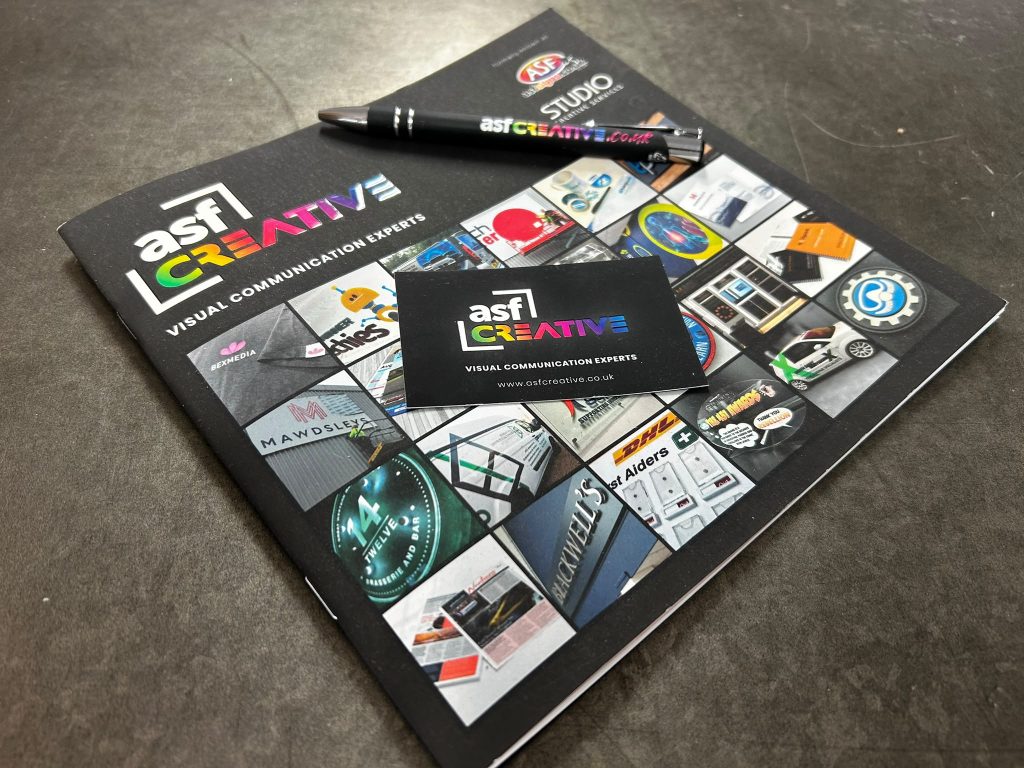
Have you ever marveled at the sharpness and detail of your favourite magazine or brochure? That quality often comes from litho presses, the unsung heroes of the printing world. Lithography combines art and science, enabling high-quality, vibrant prints that captivate audiences.
Litho Printing Facts
- Litho presses are crucial for producing high-quality and vibrant prints, effectively bridging art and science.
- The lithographic printing process utilises a unique combination of oil and water, allowing for detailed and durable reproductions.
- Modern offset litho presses increase efficiency through automation and allow for large-scale commercial printing without sacrificing quality.
- While litho printing is ideal for large volumes due to its cost-effectiveness, it takes longer to set up the press and is initially costly to setup which may not suit smaller print runs.
- The future of litho presses lies in environmental sustainability and the integration of digital technology, ensuring their relevance in the evolving printing landscape.
Understanding Lithography
Lithography is a planographic printing method grounded in the chemical principle that oil and water do not mix. This unique process traditionally involves a flat stone or metal plate, commonly aluminium, zinc, or limestone. The image areas are treated with greasy substances to attract ink, while the non-image areas are made water-receptive to keep ink at bay. This fundamental principle allows for high-quality print runs with minimal wear on the printing surface, ensuring vibrant reproductions of your designs.
The meticulous nature of lithography is part of what makes it so respected. This technique enables artists and printers alike to achieve a level of detail and nuance that few other methods can match. Whether in commercial printing or fine arts, lithography continues to thrive.
History Of Litho Press Technology
The roots of lithography trace back to the late 18th century when German actor and playwright, Alois Senefelder invented the process in 1796. Initially, it was used for reproducing sheet music, but soon its applications expanded into various fields, including fine art. The introduction of litho presses in the 19th century transformed printing into a more accessible medium, giving rise to mass-produced prints and publications.
As technology evolved, so did lithography. The shift from stone lithography to metal plates marked a significant advancement in the process, enabling printers to produce fresher, more durable prints. The establishment of offset lithography in the early 20th century further enhanced the printing quality and efficiency. This innovation allowed ink to be transferred from the plate to a rubber blanket before reaching the paper, preventing the direct contact that often led to wear.
How Litho Press Works
Modern offset lithographic presses operate through a multi-stage process that ensures precision and efficiency. Here’s a clear breakdown of how it works:
- Plate Preparation: The design is laser-etched onto aluminium plates that are mounted on press cylinders. Each cylinder typically prints one colour, following the CMYK (Cyan, Magenta, Yellow, Black) colour model.
- Dampening Unit: First, the press plate contacts the Dampening Unit, which applies water and chemical solutions to the non-image areas, making them receptive to water.
- Inking Unit: The plate then moves to the Inking Unit, where oil-based ink adheres to the greasy image areas
- Blanket Cylinder: Rather than printing directly onto the paper, the inked image is transferred to a Blanket Cylinder. This rubber-covered cylinder helps transfer the image while squeezing away any excess water.
- Impression Cylinder: Finally, the paper passes through the gap between the Blanket Cylinder and an Impression Cylinder, where uniform pressure transfers the inked image onto the paper.
- Drying: The printed sheets are then dried using hot and cool air, ensuring a clean, high-quality finish.
This intricate mechanism allows litho presses to produce detailed, vibrant prints efficiently, making them a favourite in commercial printing.
Types Of Litho Presses
Litho presses can be categorised by their design and method of operation. Here’s a look at the most common types:
- Flatbed Presses: In this type, a pressure bar is dragged across the stone surface, commonly used in traditional printing.
- Offset Litho Presses: These modern presses use rotating cylinders for continuous production, significantly improving efficiency and speed.
- Digital Offset Presses: Innovations have led to the rise of digital presses that integrate digital printing with traditional lithography techniques, allowing for shorter runs and quick turnarounds.
Understanding the different types of litho presses can help you choose the best option for your printing needs, depending on your project scale and specifics.
Applications Of Litho Presses
Lithographic printing is versatile, serving a diverse range of applications:
- Commercial Printing: This includes brochures, flyers, packaging materials, and promotional items, all benefiting from litho’s high colour accuracy and quick production times.
- Book Publishing: High-quality reproductions are essential in academic and literary publishing, where litho presses excel.
- Fine Art Printmaking: Traditional stone lithography remains popular among artists for creating limited edition prints, thanks to the unique textures and effects achievable.
- Labels & Packaging: The flexibility of litho presses makes them suitable for producing vibrant and attractive labels and packaging that stand out on shelves.
With such adaptability, litho presses bridge the gap between artistic expression and commercial viability.
Advantages And Disadvantages Of Litho Printing
While lithographic printing has numerous advantages, it also comes with certain limitations:
Advantages:
- Long Print Runs: Litho printing is immensely cost-effective for large-volume jobs, as the setup cost is distributed over many prints.
- High Quality: It offers excellent precision and consistency in colours, making it ideal for detailed designs.
- Durability: Litho plates are more durable than other types, resulting in longer print runs before needing replacement.
Disadvantages:
- Setup Time: Preparing plates and setting up the machinery can be time-consuming, making it less suitable for short runs or quick prints.
- Chemical Processing: The need for chemicals in the production process can be seen as a drawback, especially in environmentally conscious circles.
- No Variability: Once the printing plates are set, making changes to the print run can be challenging and costly, limiting flexibility.
By weighing these pros and cons, you can make informed decisions about whether litho printing is the right choice for your project.
The Future Of Litho Press Technology
As we move further into the digital age, litho printing continues to evolve. Innovations in technology are paving the way for:
- Environmental Sustainability: New, eco-friendly inks and processes are being developed to lessen the environmental impact of lithographic printing.
- Integration with Digital Solutions: The integration of digital printing techniques with lithography is streamlining processes, allowing for greater flexibility and efficiency.
- Smart Technologies: Automation and AI are being incorporated into litho presses, improving monitoring and quality control while reducing human error.
These advancements indicate that litho printing will not become obsolete: rather, it will adapt and coexist alongside emerging technologies, remaining a staple in high-quality printing.
Lithographic printing stands as a pillar in the printing industry, blending intricate chemical processes with mechanical precision to deliver exceptional print quality. Whether for commercial applications or fine arts, litho presses offer unmatched detail and consistency. As you consider your next printing project, understanding the benefits and limitations of lithography will empower you to make informed choices that best suit your needs.
Frequently Asked Questions
What is litho printing and how does it work?
Litho printing, or lithography, is a planographic printing method that uses oil and water to create vibrant prints. It involves etching a design onto a metal plate, inking the image areas, and transferring the design onto paper through a series of cylinders.
What are the different types of litho presses?
Common types of litho presses include flatbed presses, offset litho presses, and digital offset presses. Each type offers unique benefits for various printing needs, from traditional designs to high-volume commercial projects.
How does lithography differ from other printing methods?
Lithography provides superior detail and consistency compared to other methods. Unlike digital printing, which directly prints images, lithography uses a multi-step process that enhances colour accuracy and texture.
What are the pros and cons of using litho printing?
Litho printing is cost-effective for large runs and yields high-quality prints. However, it can be time-consuming to set up, and changes during production can be challenging. These factors should be considered based on project needs.
Can litho printing be environmentally friendly?
Yes, new eco-friendly inks and processes are being developed to reduce litho printing’s environmental impact. Innovations in sustainability are making lithographic printing more conscious of eco-friendly practices.
What applications benefit most from litho printing?
Litho printing excels in commercial printing, book publishing, fine art printmaking, and packaging. Its versatility and quality make it ideal for various print materials requiring vibrant colours and precise details.